
The Quiet Elite: How Rest, Longevity, and Fitness Became the Ultimate Status Symbols
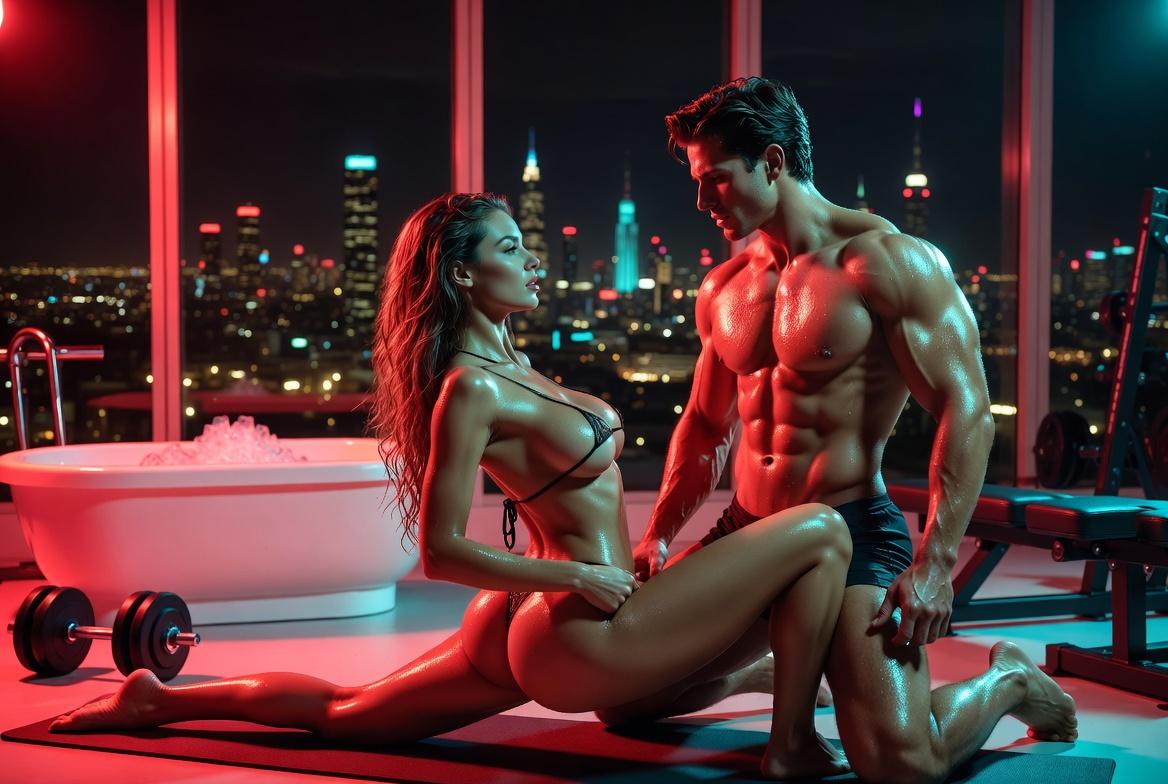
For much of the 20th century, the grammar of status was written in leather, steel, and silk. The luxury watch on a wrist, the handbag dangling from an arm, the supercar idling outside a private club—these were the unmistakable semaphores of wealth and social standing. Thorstein Veblen, the great sociologist of the Gilded Age, termed this "conspicuous consumption": the public destruction of utility (or money) to signal one's place above the daily grind of subsistence. To own a thing of beauty and uselessness was to prove you had transcended labor.
But a quiet revolution has occurred in the status hierarchies of the 21st century. The new markers of elite belonging are no longer merely objects; they are states of being. To be wealthy today is not just to own a Porsche but to have a resting heart rate of 52 beats per minute. It is not just to vacation in St. Barts but to sleep for a perfect 8 hours and 14 minutes, as tracked by an Oura ring. It is not just to buy a designer suit but to possess a biological age five years younger than one's chronological age, certified by an epigenetic clock. Rest, longevity, and fitness have become the new status symbols.
This essay argues that in a 24/7 attention economy—characterized by burnout, information overload, and the erosion of work-life boundaries—the ability to prioritize sleep, afford preventive longevity medicine, and engineer physical optimization signals not just wealth but a deeper form of social capital: moral and intellectual superiority. Unlike a Birkin bag, which can be bought on credit, a low VO₂ max or poor sleep hygiene cannot be faked. These new markers require capital, time, discipline, and esoteric knowledge.
However, this shift has a dark underbelly, balanced by important caveats. It transforms health from a public good into a private luxury, creating a new "wellness divide." Yet many wellness practices remain genuinely beneficial and accessible; we must separate fundamentals from luxury theater. The essay proceeds in six sections. Section 1 traces the historical shift from conspicuous consumption to "conspicuous wellness" using Veblen and Bourdieu. Section 2 examines rest as a status symbol, including a case study of the Oura ring humblebrag and a data table on sleep by income. Section 3 analyzes longevity, with case studies of Peter Attia and Bryan Johnson, plus a table on the wealth-longevity gradient. Section 4 covers fitness, including Strava and the new class divide in exercise. Section 5 synthesizes these trends and addresses counterarguments. Section 6 concludes with policy prescriptions. The thesis in brief: when rest becomes a luxury, being awake becomes the new poverty—but the solution is not to abandon health-seeking, only its weaponization.
Section 1: The Historical Shift – From Conspicuous Consumption to Conspicuous Wellness
To understand the present, we must revisit Veblen's 1899 The Theory of the Leisure Class. Veblen identified two primary modes of status signaling. The first was "conspicuous leisure"—the ability to perform no productive labor, evidenced by pale skin, long fingernails, and arcane knowledge of dead languages. The second was "conspicuous consumption"—the flamboyant display of goods. Veblen observed that the elite needed to demonstrate not just wealth but waste: the deliberate destruction of utility to prove one could afford to be unproductive.
Over the 20th century, as industrial capitalism spread and consumer goods became more accessible, conspicuous leisure faded. The rise of the professional-managerial class meant that visible busyness became a badge of honor. The executive working 80-hour weeks, the lawyer sleeping under her desk, the entrepreneur bragging about all-nighters—these became the status signals of the late 20th century. Being "swamped" meant being important.
But the early 21st century has witnessed a strange reversal. We have moved from an industrial to an information/knowledge economy, and with it, human attention has become the single most contested resource. In a world of endless notifications, algorithmic feeds, and the collapse of work-life boundaries, the ability to disengage—to truly rest, to log off, to sleep deeply—has become the ultimate flex. As Derek Thompson wrote (paraphrased from his 2022 Atlantic piece on the "anti-social century"), "Busyness was a status symbol for the 2010s. Calm is the status symbol for the 2020s." Wearing burnout as a badge of honor is now passé; the new elite signal is how effortlessly they prioritize recovery.
This inversion mirrors aesthetics. In Veblen's day, a tan signified outdoor labor and therefore poverty. Today, a careless, sun-damaged tan can signify a lack of time for skincare or the inability to afford high-SPF products, while a carefully maintained, pale, or "glass-skinned" complexion signals time for dermatologists, sunscreen, and rest. The perfectly sculpted, fit body—not bulky from manual labor, but lean from Pilates and functional training—signals something else: discretionary time. To exercise for two hours a day, to sleep nine hours, to meditate for thirty minutes requires a schedule not fragmented by shift work, multiple jobs, or long commutes.
The data supports this shift. The Global Wellness Institute's 2025 Monitor values the wellness economy at $6.8 trillion in 2024**, projecting **$9.8 trillion by 2029. Luxury fitness, biohacking, personalized longevity, and wellness real estate are among the fastest-growing segments. McKinsey reports that high-income consumers are prioritizing healthspan over lifespan, spending thousands annually on everything from cryotherapy to personalized nutrition. This is not merely health-seeking; it is status-seeking by another name.
This is what Pierre Bourdieu, in Distinction (1979), called "cultural capital"—knowledge, tastes, and habits that signal class distinction. Knowing the difference between Zone 2 cardio and HIIT, understanding NAD+'s role in cellular repair, or having a preferred brand of red-light therapy panel is the new equivalent of knowing which fork to use at a formal dinner. It is a barrier to entry, invisible to the masses but obvious to the initiated. Bourdieu argued that the dominant class always seeks to convert economic capital into cultural capital, which then reproduces advantage across generations. The wellness industry is the latest arena for this conversion.
Thus, we have entered the age of conspicuous wellness. The signal is no longer "I can waste money" but "I can waste time and attention on myself." Because time and attention are now the scarcest resources for the middle and working classes—facing stagnant wages, the "side hustle" imperative, and the erosion of leisure—the ability to prioritize optimization becomes a ruthlessly effective class marker. It is not just that the rich are healthier; it is that their health advertises their richness.
Section 2: Rest – The New Power Move
For decades, sleep deprivation was a credential of the ambitious. Margaret Thatcher famously slept four hours a night. Elon Musk (before his own burnout) bragged about sleeping under his desk. The "hustle porn" of the early 2010s—exemplified by Gary Vaynerchuk's "#RiseAndGrind" and the 4 a.m. club—celebrated sleeplessness as virtue. But the tide has turned. Arianna Huffington's collapse from exhaustion in 2007—leading to The Sleep Revolution (2016)—became a parable for a new elite: the rich no longer brag about insomnia; they brag about sleep hygiene.
2.1 The Scarcity Logic of Sleep
Why has rest become a status symbol? Simple economics: scarcity. In a globalized, always-on economy, sleep is the one activity that cannot be outsourced or automated. No one can sleep for you. And unlike food or exercise, sleep has a hard biological floor—you cannot "optimize" your way out of needing 7–9 hours (Walker, 2017). This makes it the perfect arena for signaling privilege. The working poor face "social jetlag"—shift work, long commutes, and second jobs that fragment rest. The rich, by contrast, can purchase an environment conducive to sleep.
Table 1: Sleep Duration by Income (Adapted from American Time Use Survey patterns, 2019–2023)
| Income Level | Average Weekday Sleep (hours) | % Reporting <6 hours |
|---|---|---|
| Lowest quintile | ~6.2 | ~38% |
| Second quintile | ~6.5 | ~31% |
| Middle quintile | ~6.8 | ~24% |
| Fourth quintile | ~7.1 | ~18% |
| Highest quintile | ~7.4 | ~12% |
Note: Adapted from ATUS and related studies; author's compilation. The gradient is directionally robust, though exact quintile splits vary by year. Causation is complex—work demands, shift patterns, and selection effects all play roles.
2.2 How the Rich Rest Differently
The infrastructure of elite rest is staggering. Consider the mattress: Hästens Vividus and Grand Vividus models start at $70,000 and exceed $400,000, with bespoke versions near $1 million. These beds contain horsehair and wool, handcrafted over weeks. Then the bedroom environment: smart blinds, temperature-regulating sheets (Eight Sleep's Pod 4 costs $2,200 plus monthly subscription), and white noise machines. Tracking follows: Oura rings ($300–$550 plus subscription), Whoop bands ($30/month), and Apple Watches with sleep stage analysis feed into apps advising on "readiness scores" and heart rate variability (HRV).
Case Study 1: The Sleep Retreat
At the high end, luxury wellness resorts offer immersive sleep programs. Switzerland's Clinique La Prairie charges $12,000–$20,000 for a week-long "sleep recovery" program, including overnight polysomnography (sleep study), circadian light therapy, melatonin IV drips, personalized nutrition, and daily consultations with a sleep physician. Canyon Ranch in Arizona offers a comparable program at $10,000–$15,000 per week. The implicit promise: "We will buy you back your rest."
2.3 Cultural Signaling: The Oura Humblebrag
A scroll through certain X (Twitter) or LinkedIn feeds reveals a now-familiar genre: the sleep score screenshot. A tech CEO posts an Oura ring readout showing 8 hours 22 minutes, 97 sleep score, with a caption like "Rest is productive. Change my mind." The responses—"Goals," "What's your routine?"—complete the ritual. This is not information sharing; it is a status display. It says, "My time is my own. My nervous system is regulated. Yours is not." The humblebrag is the new luxury logo, and it functions exactly like the old one: it signals membership in a club whose entry fee is invisible to outsiders.
2.4 The Performance of Recovery – Rest Becomes Labor
Rest, however, has been colonized by the same productivity logic it supposedly escapes. In the new status system, rest is not a pleasure; it is optimization. You don't rest because you're tired; you rest to improve your next day's performance. This is Anne Helen Petersen's "optimization of leisure" (2019). Sleep is tracked, scored, gamified. A bad sleep score (below 80) becomes a source of anxiety. Napping is no longer laziness but "strategic recovery." Meditation is not contemplation but "cognitive enhancement."
The philosopher Byung-Chul Han, in The Burnout Society (2015), argues that the contemporary subject is no longer a disciplinary subject (obeying external commands) but an achievement subject (driven by internal imperatives to optimize). Rest becomes one more domain of achievement. "I slept better than you" competes with "I earned more than you." This is the paradox of conspicuous wellness: the pursuit of rest generates its own exhaustion.
2.5 The Dark Side: Rest as Class Weapon (with a caveat)
The most insidious aspect of rest-as-status is its moralization. In popular discourse, sleep deprivation is no longer a symptom of structural inequality but a personal failing. Matthew Walker's Why We Sleep (2017)—a bestseller among the tech elite—frames poor sleep as a choice akin to smoking. The implication lands unevenly. A single mother working two jobs doesn't have a "sleep hygiene" problem; she has a structural problem. By framing rest as a moral imperative, the wellness elite implicitly blame the tired for their own exhaustion.
Caveat: This critique is not absolutist. Many people across income levels can improve their sleep hygiene (consistent bedtime, dark room, no late caffeine) at zero cost. The problem is not the advice itself but its weaponization against those whose structural barriers are ignored. Rest is not just a status symbol—it can become a weapon justifying inequality—but the fundamentals of good sleep remain accessible to most.
Section 3: Longevity – Buying Time Itself
If rest is the status symbol for the daily cycle, longevity is the status symbol for the life cycle. The ultimate luxury is not a car or a watch; it is time. More specifically, it is healthy time—healthspan, not just lifespan. And there is perhaps no more brutal illustration of inequality than the gradient between rich and poor in life expectancy.
3.1 The Wealth-Longevity Gradient
A landmark 2016 study by Chetty et al. in JAMA examined tax records and mortality data for 1.4 billion person-years. The findings were stark: the richest 1% of American men live 14.6 years longer than the poorest 1%. For women, the gap is 10.1 years. More recent analyses confirm these gaps have persisted or widened post-2016. In the United Kingdom, the Marmot Review (2020) found that a man in wealthy Kensington can expect 20 more healthy years than a man in deprived Blackpool.
Table 2: Life Expectancy by Income Percentile (US, 2016 data)
| Income Percentile | Male Life Expectancy | Female Life Expectancy |
|---|---|---|
| Top 1% | 87.3 years | 89.1 years |
| Top 5% | 84.2 years | 86.0 years |
| Middle 20% | 78.5 years | 81.2 years |
| Bottom 5% | 74.7 years | 77.6 years |
| Bottom 1% | 72.7 years | 79.0 years |
Source: Chetty et al., JAMA 2016. Table adapted.
The drivers are multivariate: smoking, obesity, hypertension, accidents, homicide, healthcare access, and chronic stress. Public health successes (vaccines, sanitation, reduced lead exposure) have raised baselines across all classes, but the gradient remains. The rich are not just living longer; they are living younger.
3.2 Tools of the Longevity Elite
The longevity enthusiast's toolkit is a wonder of modern science, reserved almost exclusively for the wealthy.
Concierge Preventive Medicine: For $5,000–$50,000 annually, clinics like those inspired by Peter Attia (author of Outlive, 2023) offer deep biomarker testing: full-body MRIs, continuous glucose monitors, VO₂ max testing, DEXA scans, advanced lipid panels, and epigenetic age tests. The goal is to catch "disease before it's disease."
Supplements & Pharmaceuticals: Beyond multivitamins, the elite use off-label prescriptions: rapamycin (an immunosuppressant that extends lifespan in mice), metformin (an anti-diabetes drug with anti-aging properties), and low-dose lithium. For the truly wealthy, NAD+ infusions ($1,000–$5,000 per drip) aim to restore cellular energy. Peptide therapies like BPC-157 (for tissue repair) cost hundreds per month. GLP-1 agonists (Ozempic, Wegovy, Mounjaro) have become a crossover status symbol—originally for diabetes, now used off-label for weight loss at $1,000–$1,500 per month, often not covered by insurance.
Case Study 2: Bryan Johnson – The $2 Million Man
At the apex is Bryan Johnson, the tech entrepreneur who sold Braintree to PayPal for $800 million. Johnson now spends an estimated **$2 million per year** on "Project Blueprint": a strict 1,977-calorie vegan diet, daily exercise (a precise mix of cardio, strength, and flexibility), 30+ supplements, nightly erection monitoring (to assess nerve health), regular plasma exchanges (including, controversially, infusing his son's plasma), and full-body MRI scans quarterly. His stated goal: reduce his epigenetic age to 18. As of 2024, he claims a biological age of 46 (chronological 46, with some organs appearing younger). Johnson markets a basic Blueprint protocol for ~$333/month—which only highlights the elite tier of full, personalized execution.
Case Study 3: Peter Attia and the Democratization Narrative
Podcaster and physician Peter Attia has become the high priest of longevity. His Drive podcast (millions of downloads) and bestseller Outlive present a vision of "healthspan" as attainable through discipline and science. Yet a listener without a $20,000 annual budget for testing, supplements, and coaching cannot implement even a fraction of Attia's recommendations. The narrative of "anyone can do this" obscures the financial barriers. Attia is not wrong—many interventions (zone 2 cardio, strength training, protein intake) are genuinely valuable—but his accessibility is an illusion that serves the wellness industry's expansion.
3.3 The Aesthetics of Invisible Status
Longevity is a peculiar status symbol because it is largely invisible. You cannot look at someone and see their low inflammatory markers or high telomerase activity. Unlike a Rolex, a young biological age requires a certificate. And this is precisely where the status game is played. The signal is the pursuit of longevity itself—the public display of discipline and knowledge. Posting a fridge full of organic vegetables, checking into a cryotherapy chamber, tweeting about an epigenetic test, or wearing a continuous glucose monitor (the small white sensor on the back of the arm has become a stealth status symbol) is the equivalent of the luxury logo. It says, "I care about my future. I have the resources to invest in it. You should too."
3.4 Ethical Tensions: The Healthspan Apartheid
If longevity becomes a private luxury, we risk a "healthspan apartheid"—a world where the rich glide toward 120 with the cognitive and physical function of 50-year-olds, while the poor die of preventable diseases in their 60s. This is not envy; it is a political problem. Moreover, research producing longevity interventions is often publicly funded; privatizing access becomes rent-seeking. Constant biomarker monitoring can also tip into pathology: "ortho-aging," a new health anxiety. Yet extreme biohacking remains niche; most longevity interest is mundane: protein intake, lifting weights, taking statins when indicated. The problem is not the pursuit of longer healthspan; it is the conversion of that pursuit into a class weapon.
Section 4: Fitness – The Aesthetic of Discipline
If rest is the quiet status symbol and longevity the invisible one, fitness is the loud, undeniable, visual proof of status. The fit body—lean, muscular, flexible, functional—is the one status symbol you cannot buy outright. It requires time, knowledge, and consistency. And in that requirement lies its power.
4.1 From Gym Selfies to Functional Strength
The gym selfie has replaced the car selfie. Six-pack abs are no longer just attractive; they are a social signal of predictable leisure. To maintain visible abdominal muscles requires not just exercise but a strict diet that is almost impossible to sustain without control over one's food environment: a private chef or meal delivery service, a fridge free of processed food, time to meal prep, and the absence of stress-eating from financial precarity. The writer Maura Brannigan put it succinctly: "Abs aren't made in the kitchen. Abs are made in the tax bracket."
The new fitness elite aesthetic is not the bulging, asymmetrical physique of a manual laborer (which signals wear and tear) nor the emaciated look of an eating disorder. It is the lean, long-muscled look of the "hybrid athlete": capable of running a marathon, deadlifting twice body weight, and touching one's toes. This "athleisure" body signals balance, discipline, functionality—virtues of the managerial class.
4.2 The New Class Divide in Exercise
The democratization of fitness in the 1980s has given way to a stratified industry. At the bottom: the $10/month Planet Fitness membership. At the top: boutique studios that function as social country clubs. (Notably, accessible alternatives exist: running clubs, CrossFit's sliding scales in some areas, free apps like Nike Training Club—but the dominant signal remains exclusionary.)
Table 3: Fitness Access by Price Tier
| Tier | Examples | Monthly Cost | What It Signals |
|---|---|---|---|
| Mass market | Planet Fitness, YMCA | $10–30 | Basic access |
| Mid-tier | LA Fitness, 24 Hour | $30–60 | Convenience |
| Premium | Equinox, Life Time | $200–400 | Status, community |
| Boutique | Barry's, SoulCycle, Pilates | $40–80/class | Exclusivity, instruction |
| Private | Trainer + recovery | $500–2,000+ | Full customization |
Equinox ($300+/month) is as much a social network as a gym. **Reformer Pilates** ($40–50/class) signals refinement. Barry's, SoulCycle, Rumble offer tribal belonging. The true elite hire personal trainers ($150–500/hour) and own **recovery tools**—Normatec boots ($800–1,500), percussion guns ($300–600), cryo chambers ($5,000–50,000).
4.3 The Social Capital of Metrics: Strava and the Verified Body
The social network Strava (9 million+ weekly active users) has become a competitive status arena. Athletes share GPS-tracked runs and rides. Liking a friend's 20-mile run is the equivalent of admiring a luxury watch—but verifiable. Strava segments turn public parks into leaderboards. The "King of the Mountain" (KOM) or "Queen of the Mountain" (QOM) title is a coveted digital trophy. The message: "I have the free time and physical capital to compete here."
4.4 Moralization and the Blame of the Unfit (with caveat)
This brings us to healthism (Crawford, 1980): the belief that health is primarily an individual responsibility and that ill health signals personal moral failure. Brands like Peloton sell an identity: "You are a person who shows up." The implication: if you are not fit, it is because you have not chosen to be. This ignores structural realities.
Caveat: Again, this is not absolutist. Many fitness practices remain accessible: bodyweight training, walking, basic nutrition changes. The problem is not exercise; it is the performative, exclusionary, morally loaded version that dominates elite spaces. A person earning $40,000 can do push-ups. The barrier is not the activity but the social meaning attached to it.
Section 5: The Uncomfortable Synthesis – Wellness as a New Class Marker
Rest, longevity, and fitness together form an ideology organizing social hierarchy around biological optimization. Three consequences:
5.1 The Moralization of Health
Privilege rebranded as virtue. The wealthy are good (disciplined, informed, committed). The poor are lazy or self-destructive. As Michael Sandel argues in The Tyranny of Merit (2020), meritocracy leads the successful to believe their success is earned and the unsuccessful to believe their failure is deserved. Wellness supercharges this logic.
5.2 The Anxiety of Optimization
Constant tracking creates the "optimization treadmill." You sleep well, but your readiness score is 75. You exercise daily, but VO₂ max plateaued. You take supplements, but your biological age dropped only one year. The goalposts move. The wellness elite are not serene; they are frantic. This is burnout by another name.
5.3 The Illusion of Democratization – and a Counterargument
Defender: "Isn't any health investment good? And aren't many interventions available to almost everyone?" Partly true. Walking is free. A $20 sleep mask helps. The problem is not that the rich are healthy; it is that the structure of the wellness economy converts basic needs into exclusive status markers. The illusion of democratization ("anyone can buy an Oura ring") prevents demands for systemic change (paid sick leave, shorter workweeks, universal healthcare, walkable cities). If tools are supposedly available to everyone, failure is personal. That is the ideological trap.
But: The fundamentals remain accessible. The critique is not that health-seeking is bad; it is that its conversion into a class weapon is harmful. We must separate the two.
Section 6: Conclusion – The Future of Status
We have traced the arc from Veblen to conspicuous wellness. To sleep long, to live long, to be fit can signal that you have transcended chaos. But this shift is not purely harmful.
A healthier response: separate fundamentals from luxury theater.
What this means in practice:
-
Demoralize the performance, not the practice. A good night's sleep is not a virtue; it is a need. The problem is not the Oura ring; it is the humblebrag.
-
Push for structural interventions that raise the baseline. Universal healthcare, paid sick leave, shorter or flexible hours, walkable cities, affordable healthy food, limits on shift-work disruption.
-
Recognize that agency and structure coexist. The single mother faces real barriers. The office worker scrolling TikTok until 2 a.m. also has choices. The opposite of neoliberal healthism is not structural fatalism; it is nuanced capability-building.
-
Reject the binary of optimization vs. permission. For some, permission is valuable. For others with chronic disease, tracking is life-saving. Make measurement democratic and non-anxious.
The next frontier: Mental optimization—psychedelic retreats ($5,000–$15,000), gene editing, neural implants. The gap will likely grow.
We can accept this hierarchy as inevitable—or build a world where the fundamentals of good sleep, adequate exercise, and preventive health are accessible to all, while the luxury theater of $400,000 mattresses and plasma exchanges remains a harmless eccentricity of the rich. The goal is not to abolish status signaling—humans will always signal—but to ensure that health itself is not converted into a weapon of class contempt.
When sleep becomes a luxury, being awake becomes the new poverty. That is a world not worth optimizing for. But when sleep is a universal right, the only thing left to signal is kindness. And that, perhaps, is the only status symbol worth pursuing.
References
-
Bourdieu, P. (1979). Distinction. Harvard University Press.
-
Chetty, R., et al. (2016). Income and Life Expectancy in the US. JAMA, 315(16), 1750–1766.
-
Crawford, R. (1980). Healthism and the Medicalization of Everyday Life. IJHS, 10(3), 365–388.
-
Global Wellness Institute. (2025). Global Wellness Economy Monitor 2025.
-
Han, B. (2015). The Burnout Society. Stanford University Press.
-
Marmot, M. (2020). Health Equity in England: The Marmot Review 10 Years On.
-
Petersen, A. H. (2019). The Optimization of Leisure. BuzzFeed News.
-
Sandel, M. (2020). The Tyranny of Merit. Farrar, Straus and Giroux.
-
Veblen, T. (1899). The Theory of the Leisure Class. Macmillan.
-
Walker, M. (2017). Why We Sleep. Scribner.

 Turkish
 English
 Arabic
 French
 Spanish
 Portuguese
 Deutsch
 Dutch
Dutch
 Italiano
 Russian
 Romaian
 Portuguese (Brazil)
 Greek
Greek